Posts By :

WebFX

Carpooling vs. Solo Car Commuting

Carpooling vs. Solo Car Commuting 150 150 WebFX

Carpooling vs. Solo Car Commuting

Commuting is a daily reality for thousands of people across Central Pennsylvania. Whether you’re heading to work in Harrisburg, Lancaster or York, the daily drive can take a toll on your wallet, stress levels and time. And yet, you still have to hop into your car each morning, accepting the high costs, traffic congestion issues and hassles as part of life. But what if there was a better way?

Carpooling is becoming popular among Central PA commuters who have discovered its many benefits. Here, we provide a clear, comprehensive comparison of carpooling versus solo car commuting, helping you make an informed decision about your daily journey.

Is Driving Alone Holding You Back?

While solo trips may be ideal if you have errands to run or packages to pick up, they can have several disadvantages for your daily commute:

  • Traffic congestion: When you drive alone, you’re contributing to the traffic congestion issues that plague major PA routes like I-83 and Route 322. The more single-occupancy vehicles on the road, the worse traffic becomes, especially during rush hours in cities like Harrisburg and Lancaster.
  • Financial burden: Solo car commuting hits your wallet hard. You’re responsible for all gas expenses, which can quickly add up with Pennsylvania’s fluctuating fuel prices. Add in vehicle maintenance, parking fees and the faster depreciation of your car from all those extra miles, and you’re looking at thousands of dollars annually.
  • Wasted time: Increased congestion leads to longer commute times and more frustration for everyone. What should be a 30-minute drive can easily become an hour during peak times.
  • Health impact: The stress of navigating traffic alone every day can impact your mental and physical health, leaving you exhausted before your workday even begins. This daily grind takes a toll on your well-being and quality of life.

Carpooling addresses these challenges and provides many other benefits, which is why it’s become more popular in PA.

What Are the Advantages of Carpooling Over Solo Car Commuting?

When you compare carpooling and solo car commuting side by side, the advantages of carpooling become clear. Carpooling reduces traffic congestion and the financial burden of commuting, making for a healthier, more time-efficient morning commute.

Cost Savings

When you carpool, you split fuel expenses, tools and parking fees among all riders. Instead of shouldering the entire cost, you might pay just a quarter or half of what you usually would.
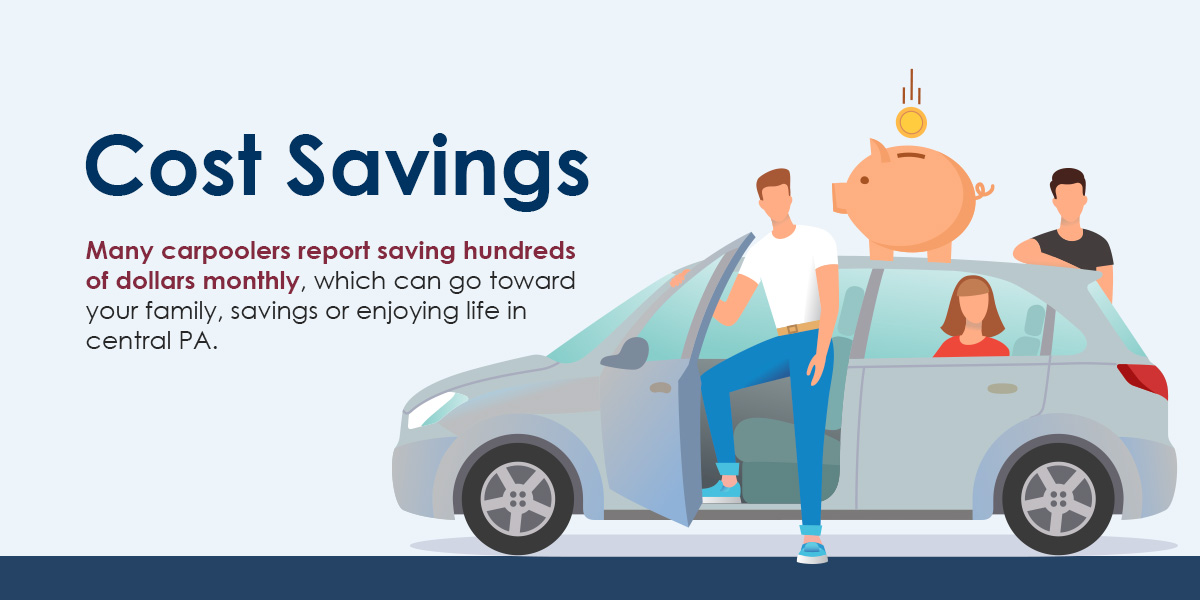
Cost savings of carpooling

Your vehicle also experiences less wear and tear since you’re not driving every single day. Over time, you’ll have fewer oil changes, tire replacements and major repairs. Many carpoolers report saving hundreds of dollars monthly, which can go toward your family, savings or enjoying life in Central PA.

Improved Commute Experience

Carpooling transforms your daily drive from a solitary grind into a more pleasant experience. When you share driving duties, you get regular breaks from battling traffic. On days when you’re a passenger, you can relax, catch up on reading or enjoy a conversation with your carpool partners. This shared responsibility can reduce driver fatigue and lessen feelings of road rage. You’ll arrive at work feeling refreshed rather than frazzled, making you more productive and happier throughout your day.

Social and Community Benefits

One unexpected joy of carpooling is the relationships you build. Sharing a daily commute creates natural opportunities for conversation and connection. You might discover common interests with co-workers or make new friends from neighboring communities. This daily social interaction combats the isolation many solo commuters feel and creates a support network.

Many long-term carpoolers report that their carpool partners have become close friends who enrich their lives beyond the commute.

Vehicle Longevity

When you rotate driving responsibilities among multiple people, each vehicle in the carpool accumulates fewer miles. This shared mileage means your car lasts longer and maintains its value better.

You’ll need less frequent service and face fewer major repairs. The decreased wear on your vehicle translates to long-term savings and more reliable transportation for years to come.

Flexibility and Safety

Carpooling creates a built-in support system for unexpected situations. If your car breaks down or you have a family emergency, your carpool partners can often step in to help.

Commute PA’s Emergency Ride Home Program adds another layer of security, ensuring you’re never without a ride. Traveling with others also inherently increases your safety on the road. If you experience car trouble, you’re not alone on the side of Route 30 or I-81. Your carpool companions can provide assistance or help you get to safety.

Local Impact and Community Strength

When people share rides, fewer cars clog the roads. Studies consistently show that carpooling reduces traffic congestion throughout communities, making the roads safer and more efficient for everyone.

With fewer cars competing for space, traffic flows more smoothly through busy areas like the Capital Beltway or downtown York. It creates a stronger sense of community as neighbors help neighbors get to work.

When people work together through carpooling, they make Central PA a more connected, less congested place to work and live.

How Do I Start Carpooling?

You can start carpooling by following these steps:

  1. Consider if your vehicle works for groups. It should have good fuel efficiency, comfortable seating and reliability.
  2. Coordinate schedules with potential carpool partners. Find people with similar work hours and nearby destinations.
  3. Establish a group text or use scheduling apps to keep everyone informed about pickup times and any changes.
  4. Plan your route to minimize travel time while accommodating all pickup locations.
  5. Set ground rules about things people tend to argue about when carpooling, like punctuality, car cleanliness and how you’ll handle expenses.
  6. Start small with one or two days per week to test compatibility before committing to a full-time arrangement.

Joining an organized community of carpoolers like Commute PA can make this process simple.

Why Log Your Trips With Commute PA?

Commute PA makes carpooling even more rewarding through our comprehensive support system.

  • Personalized carpool matching: Our free, local service connects you with commuters on similar routes and schedules throughout our nine-county region.
  • Flexible options: You can find daily, weekly or occasional carpool partners to fit your lifestyle.
  • Rewards program: With our robust rewards program, you can earn points for every carpool trip logged and redeem them for perks and coupons at local partner businesses. You even have chances to win gift cards!
  • Dedicated support: Commute PA’s team is always available to answer questions and help you maximize your carpooling experience

Enjoy Carpooling Benefits With Commute PA

Carpooling offers PA commuters a smart alternative to driving alone. It provides significant financial savings, reduced stress and meaningful social connections while making your commute less congested. From splitting costs to building friendships, carpooling can enhance your daily life.

If you’re ready to transform your commute, sign up for Commute PA today and join the thousands of Central PA residents enjoying rewards.

Enjoy carpooling benefits with Commute PA

How to Choose a Commuter Bike

How to Choose a Commuter Bike 150 150 WebFX

As fuel prices rise and Americans become more health-conscious, bicycles are increasingly attractive to commuters. If you’re considering joining the rising number of Americans riding a bike as their main form of transportation to work, you have plenty of options.

The challenge is picking the right type of bike for you and your route. Learn how to choose a commuter bike that’s comfortable and practical for your daily ride to work.

What Is a Commuter Bike?

A commuter bike is a bike designed for daily trips. This means the manufacturer prioritizes comfort and durability for a pleasant riding experience you can enjoy for years to come.

Typical features of commuter bikes include a more upright riding position for improved visibility in traffic, practical accessories like integrated lights and rack mounts and wider, puncture-resistant tires for versatility over varying road surfaces. These features help to make commuter bikes good for everyday use.

Why Own a Commuter Bike?

Thinking about ditching the car for your daily commute? Owning a commuter bike can bring surprising benefits that go beyond just getting from home to work.


If you switch from driving a car to cycling to work, expect to see benefits like cost savings, improved health and reduced traffic.


If you switch from driving a car to cycling to work, expect to see benefits like:

  • Cost savingsCycling eliminates fuel costs and parking fees while reducing wear and tear on your vehicle.
  • Improved health: Riding a bike can strengthen your heart, lungs, legs and mental health.
  • Reduced traffic: Switching to cycling helps decrease the number of cars on the road, easing congestion for everyone.

What Type of Bike Is Good for Everyday Use?

The best bike for your daily use depends on the distance and terrain you cover. A commuter bike is ideal for comfort during long rides to work, but you could enjoy the speed and nimbleness of a road bike for a short commute. You may even consider a mountain bike if you work in a rural area with very rough roads. Here’s a head-to-head comparison of four types of bikes for daily use.

Commuter Bikes

Purpose-built commuter bikes are designed for your daily grind. Their materials and features are optimized for comfort and practicality over many miles and diverse urban conditions. A commuter bike offers unmatched longevity for the daily wear and tear of urban commuting and helps you maintain a healthier, less fatiguing posture as you ride. If your priority is speeding through your commute as fast as possible or braving rugged terrain, explore more specialized options for those applications.

If you’re shopping for a commuter bike, look for:

  • A sturdy steel or aluminum frame.
  • A comfortable saddle.
  • Disc brakes for stopping power.
  • Mounting points for racks and fenders.
  • Integrated lights or mounts for lights.
  • Puncture-resistant tires.
  • A wide gear range.
  • An upright riding posture that’s kind to your back and joints.

When budgeting for a commuter bike or any bicycle, remember to factor in the cost of any important accessories sold separately. For example, if you’re comparing a bike with mounts for lights to one with integrated options, consider the price of separate lights in your comparison. You may also want to consider a well-maintained second-hand bike to maximize your value, but be sure to test it out first.

Road Bikes

Road bikes are fast and efficient over paved surfaces. To achieve their impressive velocities, they have lightweight frames, narrow tires and low handlebars for an aerodynamic riding posture. These bikes can get you to work faster with less effort, are easy to carry and allow you to add fast-paced cycling to your fitness regimen.

However, the strengths of road bikes can also be their weaknesses, depending on your commute. The aerodynamic posture they encourage is less comfortable for long rides and may reduce your visibility in traffic. If your route includes rough or uneven roads, the stiff, light frame and narrow tires of a road bike can translate to a bumpy ride and a shortened lifespan for your bike. Most road bikes are also not well-suited for carrying cargo, so you’ll probably need a backpack.

If you want to start commuting with a road bike​, look for one with:

  • Fender mounts.
  • Durable, puncture-resistant tires.
  • Disc brakes.
  • A wide gear range.

You should also look for an endurance road bike rather than a race bike. Endurance bikes have a higher front end, making them more comfortable for long commutes.

Mountain Bikes

With their durable frames, robust suspension systems and tough tires, mountain bikes are ideal for the off-road adventurer. But what about the everyday commuter?

Mountain bikes have several features that lend themselves well to commuting. These include durable frames and tires, an upright riding position, strong brakes and wide gear ranges.

Because they’re designed to perform over rugged terrain, their spongy suspensions and knobby tires can be inefficient on paved roads, requiring more effort to maintain speed and requiring more energy from you during your commute. They’re also heavy, making them difficult to carry. Unless your route consists of rough dirt roads, commuting with a mountain bike is not recommended for most people.

If you choose this type of bike for your commute, look for a suspension lockout feature so you can disable the suspension on smooth roads, or at least a hardtail bike — one with front suspension only. Consider swapping out knobby tires for semi-slick tires, and look for disc brakes and mounts for racks and fenders.

E-Bikes

Electric commuter bikes, often called e-bikes, use a built-in electric motor to assist your pedaling. This boost is especially helpful when cycling uphill or in headwinds. E-bikes offer the comfort and practicality of regular commuter bikes while allowing you to travel faster with less effort.

On the other hand, the motor and electronics come at an additional cost, and you’ll have to charge your e-bike regularly to keep it running. E-bike maintenance and repairs also cost more than regular bikes.

If you want to commute with an e-bike, look for:

  • A reliable motor and battery from a reputable brand.
  • A comfortable riding posture.
  • Hydraulic disc brakes.
  • Integrated lights and racks.

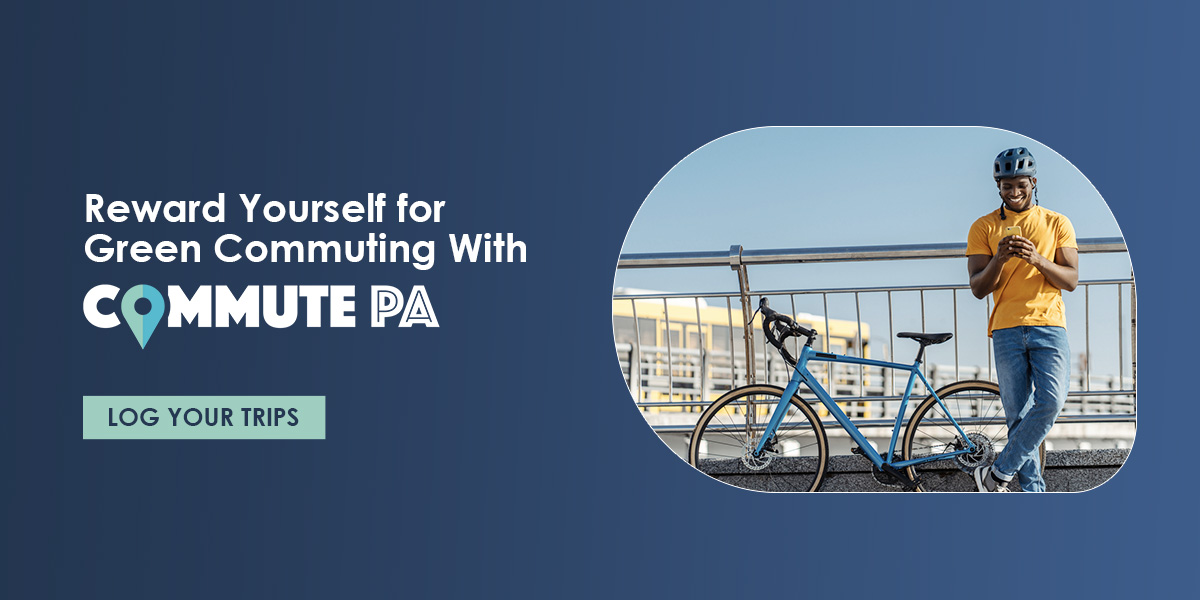
Reward Yourself for Smart Commuting With Commute PA

Reward Yourself for Smart Commuting with Commute PA

Whether you choose a commuter bike, road bike, mountain bike or e-bike, cycling to work is an excellent way to save money, improve your health and reduce traffic congestion in your area. Commute PA is a free service supporting smart commuting in Pennsylvania.

When you join Commute PA, you’ll earn points every time you record a cycling trip, starting with 1,000 points just for signing up. You can redeem these points for coupons and discounts from your favorite stores. We also offer free resources to support your healthier lifestyle — including our Beginner Bicyclist Packet, which guides you through everything you need to know to start cycling to work daily.

Request your free Beginner Bicyclist Packet today and enjoy smarter trips.

Benefits of Walking to Work

Benefits of Walking to Work 150 150 WebFX

Walking to work allows you to spend time outdoors, save on gas and transportation fees, improve your physical well-being, and get ready for the workday. This guide details why you should consider walking to work and how you can get started right away.

1. Physical and Mental Health Benefits of Walking to Work

One of the main benefits of walking to work is its effects on your physical and mental well-being. Whether you’re trying to be more physically fit or manage stress, walking can help you slow down, be more mindful and boost your energy levels.

Physical Health Benefits of Walking

You can get physical health benefits from walking, even if you walk for just 30 minutes daily. Walking briskly for 30 minutes a day for five days each week can reduce the risk of age-associated diseases. Walking also decreases the risk of cardiovascular disease, type 2 diabetes mellitus, dementia and other diseases. Plus, it increases your longevity. For example, walking contributes to the health and longevity of people living in Blue Zones, which are regions with the highest concentrations of people over 100.

You don’t need a gym membership to start living a healthier life. If you don’t have enough spare time for a workout, walking to work can suffice!

Mental Wellness Improvements

It’s no secret that physical activity can help you feel better, but did you know that walking for 30 minutes each day can reduce the risk of depression by 25%? Getting enough activity every week is extremely important, but it can be challenging if you have a desk job. A long-term sedentary lifestyle can also cause mental health issues. Walking to work can help solve this problem because it’s easier to incorporate into your daily schedule than a new workout routine.

2. Financial and Productivity Advantages

Walking to work can help you save money and increase your productivity levels, too.

Cost Savings for Employees

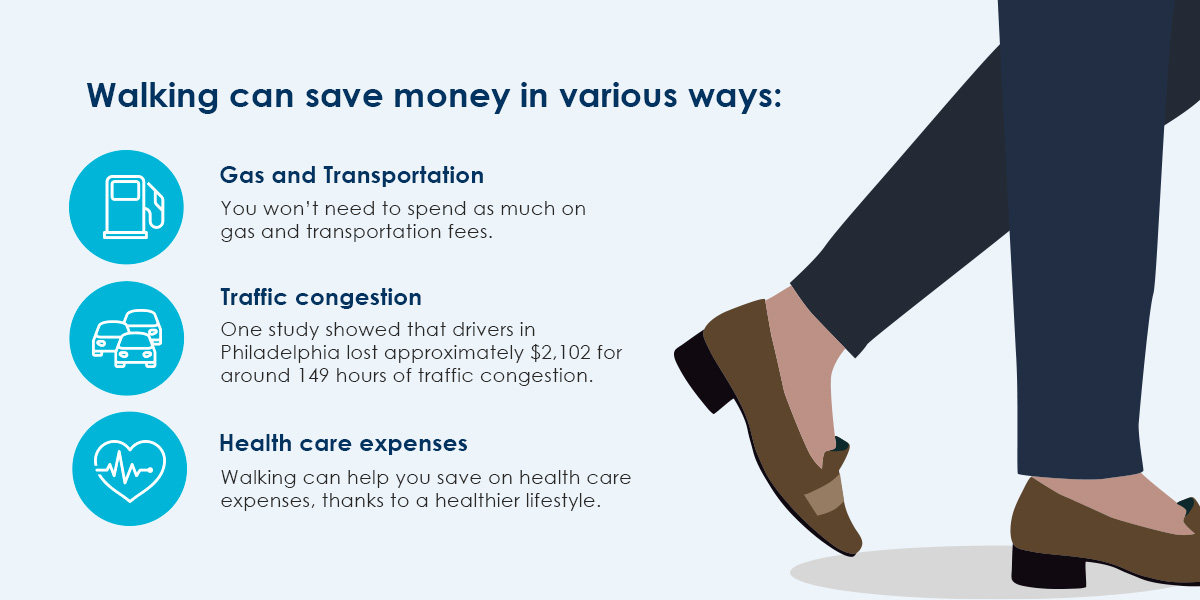
Walking can save money is various ways: Gas & Transportation, Traffic congestion and Health care expenses

Walking can save money in various ways:

  • Gas and transportation: If you walk to work, you won’t need to spend as much on gas and transportation fees. Depending on where you live, transportation costs can range from about $50 to $140 monthly. That goes down to $0 with walking! You can also combine walking with other modes of transportation to save money.
  • Traffic congestion: One study showed that drivers in Philadelphia lost approximately $2,102 for around 149 hours of traffic congestion. If you walk to work, you can save this money!
  • Health care expenses: In the long term, walking can help you save on health care expenses, thanks to a healthier lifestyle. Walking more than one hour per day, walking at a faster speed and walking without impairments are associated with lower health care costs.

Some apps and commuter programs also offer incentives for employees who walk to work. For example, when you enroll in a commuter program, you might earn retailer discounts, restaurant coupons or event tickets.

Boosting Employee Productivity

Walking is good for your focus, energy levels and creativity. It helps you “switch off” and be more mindful of your surroundings, whether you’re experiencing the nature around you or counting each step you take. It can also help you process yesterday’s events in preparation for the new day.

If you were to ride in a car or take public transportation, you may be tempted to check your email, read the news or get on social media. Walking allows you to take a pause, which can help you feel more productive later on. A walk may even provide the break you need to solve a problem you’ve been working on, which can boost your mood and increase your morale.

3. Community Impact and Well-Being

If more people decide to commute by walking, the most obvious impact would be the reduced traffic congestion. Fewer cars out and about can reduce wear and tear on roads, allow public transportation vehicles to reach their destinations faster and reduce overall community stress.

The more walking becomes a normal part of everyday activity, the more it can impact the community. Authorities and organizations can take proactive measures to make walking easier and safer by improving pedestrian streets and increasing amenities.

Frequently Asked Questions and Tips

Here are some answers to common questions about walking to work.

Is It Good to Walk to Work Every Day?

While it’s a great goal that can impact your health, finances and productivity, walking to work every day can be overwhelming, especially when you’re used to driving or taking the bus. If you want to walk to work every day, start small to make the goal more achievable. Maybe you can start with walking to work three days per week. Or, maybe you’ll choose to walk only if the weather is nice. You can make walking more entertaining by listening to a podcast or calling a loved one.

Preparing yourself beforehand can make the habit easier to develop. Here’s how:

  • Plan your route and ensure you’ll be walking in safe areas.
  • Wear comfortable shoes and change into your work shoes when you get to the office.
  • Take the excess out of your bag — it should be comfortable to carry, especially if you’re walking longer distances.

How Can Commute PA Support Walking Commuters?

A commuting program like Commute PA can make walking to work more appealing. When you sign up and create a profile, you can find safe walking routes and record your trips. Logging trips earns points, which you can redeem for retailer discounts, restaurant coupons, and tickets to shows and attractions. You’ll be rewarded 1,000 points just for signing up!

With Commute PA, you can plan your trip and review directions for walking, biking and using other modes of transportation. This makes starting the habit of walking to work easier and much more convenient. You can take advantage of Commute PA if you live or work in Adams, Berks, Cumberland, Dauphin, Franklin, Lancaster, Lebanon, Perry and York counties.

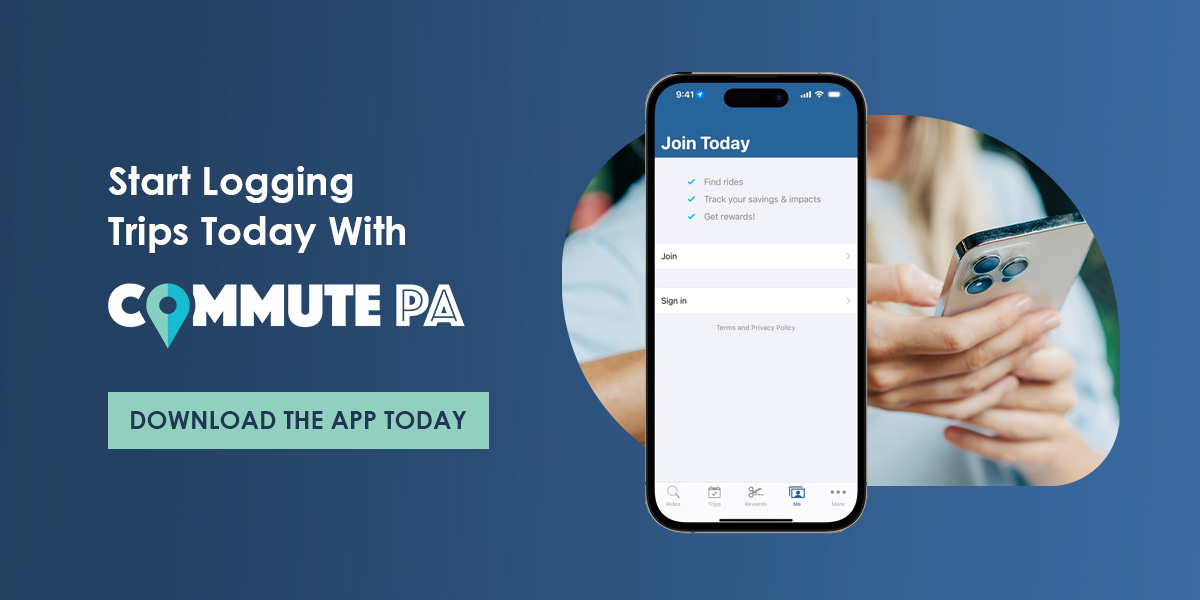
Start Logging Trips Today With Commute PA

Commute PA can help you move away from driving your car and take advantage of walking, biking, carpooling or taking public transportation. Whichever option sounds best to you, we’ve got the services to make it easier. Through our ride-matching program, you can find other commuters with similar schedules and routes and form a carpool. We can also help you walk and bike more safely by providing easy routes. Register and download the app today to start tracking!

Start Logging Trips Today with Commute PA.

Skip to content