Biking

How Active Commuting Can Boost Your Health and Happiness

How Active Commuting Can Boost Your Health and Happiness 150 150 WebFX

Exercise in any form, whether walking, running, biking or swimming, is good for the body. In fact, lack of movement can be detrimental to your health. Sedentary lifestyles increase the risk of mortality across the board and increase the likelihood of developing health conditions, including cancer.

An easy way to stay active is to substitute day-to-day, sedentary-based activities with those that incorporate more physical movement. Your daily commute is a perfect example. Active commuting can boost your health and happiness by promoting sustained activity, improving overall physical health and enhancing mental acuity.

The Science Behind a Healthier Commute

Active commuting in all forms improves cardiovascular fitness, weight management, energy and mental health. Incorporating physical activity into your daily routine can reduce stress hormones such as cortisol and increase “feel-good” hormones like endorphins and serotonin, meaning there’s a clear scientific basis for these positive changes.

Most people already know that an active lifestyle is better for overall health, but let’s take a look at the science. In a report published in BMJ Public Health, researchers used data from the Scottish Longitudinal Study to examine the health benefits of biking or walking commutes and their impact on multiple health outcomes.

Their findings were significant:

  • Cyclist commuters had a lower risk of all-cause mortality, hospitalizations, cardiovascular disease and cancer
  • Pedestrian and cyclist commuters showed lower risks for mental health problems
  • Active commuters, including cyclists and pedestrians, had a lower risk of any hospitalization and cardiovascular prescriptions
  • Active commuters were less likely to experience adverse mental and physical outcomes than non-active commuters

It’s clear that the health benefits of commuting by bike or walking were far greater than those of traditional driving.

Does Active Commuting to Work Affect Happiness?

Your commute may significantly affect your overall well-being. Long, inactive commutes can contribute to higher levels of stress, increased anxiety — especially in heavy traffic — and heightened exposure to pollution. Your daily drive may also lead to boredom and exhaustion, negatively affecting your health and happiness.

An active commute can make your trip to and from work more enjoyable while providing health benefits.

What Are the Benefits of Active Commuting?

Active commuting to work, such as biking or walking, offers a wide range of tangible health improvements.

These benefits include:

  • Improved physical and mental well-being.
  • Enhanced cardiovascular health.
  • Increased energy and stamina.
  • Better mood and reduced stress.
  • Support for healthy weight management.
  • A stronger immune system.

Beyond the physical, active commuting fosters a sense of accomplishment and contributes to a happier, less-stressed daily routine. It’s a simple change that makes a big difference.

Embrace Active Commuting With Commute PA

Commute PA offers transportation solutions to improve your productivity and health, while helping the environment. Ready to discover the best options for your journey? We’ll guide you through viable modes of active commuting and show you how to make them work for you! Join Commute PA today!

Embrace active commuting with Commute PA


How to Start Bike Commuting

How to Start Bike Commuting 150 150 WebFX

How to Start Bike Commuting

Riding your bike to work or school is one of the best options for people looking for active transportation that is efficient, cost-effective and simply a smarter way to commute. With your bike, you don’t need to worry about heavy traffic or taxi charges. It’s just you, your wheels and the open road. If you’re new to cycling and need ways to make your commute easier, we have some bike commuting tips for you.

Bike Commuting Tips for Beginners

Here are our tips for every beginner getting ready to jump into the new world of bike commuting:

Plan Your Route

Before you start your bike commute, check that you have a good route. Use apps like Google Maps to find bike-safe routes in your area and mount your phone onto the bike. You can also use our bike rack map to find the perfect location to lock your bike when you reach your destination.

Get out there on your bike and try paths out in advance. Remember that riding a longer, quieter route is always better than a shorter, busier one.

Start Small

Our second bike commuting tip for beginners is to start small. Commuting by bike can be a physically demanding task, so it’s okay to take baby steps. Maybe ride to work once or twice a week and add more days as you build confidence and endurance. While getting used to biking, use our carpooling options for your non-biking days.

Make the Commute Easier

Next, you will want to learn how to make the bike commute easier. Tricks like packing smart can lighten your load, literally.

Invest in a good cycling backpack with enough storage to keep your essentials. When packing, remember to:

  • Place everything heavy toward your back.
  • Roll clothes, not fold them.
  • Pack your shoes heel-to-toe.
  • Avoid glassware when packing your lunch.
  • Keep your maintenance gear in an internal pocket that is easier to access.

And always leave early. Give yourself time to ride comfortably, breathe in the air and get to work on time.

Overcoming Common Bike Challenges

Biking may be one of the smartest ways to commute, but it’s not without challenges.

Safety Concerns

Visibility is paramount when biking on the road. We advise investing in a good pair of front and rear dynamo lights that will keep generating light as you pedal. At night, wear bright, reflective apparel.

Remember to communicate actively with hand signals and make eye contact with other road users before turning in front of them. If you are unsure of cycling laws in your area, contact us, and we can answer questions you may have.

Weather and Seasonal Adjustments

Another tip for bike commuting that every beginner should know is to manage the seasons. Invest in a waterproof backpack and a good raincoat or suit for rainy seasons. Then, wear layers during the winter, but wear light, breathable clothes in the summer. You may also need tires with a strong grip.

Workplace Logistics

Our bike commuting essentials won’t be complete without talking about parking and sweat. Once you have found a safe rack, park your bike securely with a strong lock.

Whether it is winter or summer, bike commuting will produce sweat. So, carry toiletries like wet wipes and deodorant in your bag, and leave wardrobe changes at work.

Record Your Bike Trips With Commute PA

Use Commute PA to record all your rides, plan routes and earn awesome rewardsSign up today.

Log Your Commute with Commute PA

Easy Bicycle Maintenance Steps

Easy Bicycle Maintenance Steps 150 150 WebFX

So, you have joined the active transportation club and ride your bike to work or school. Regular commutes can mean the need to complete bike maintenance every once in a while. Below are some bike maintenance tips for beginners to keep your ride in good condition.

Quick Maintenance Routines

First, you will want to have a quick and basic bike maintenance routine designed to ensure a safe commute.

Pre-Ride Safety Checks

Pre-ride checks are those basic bike maintenance tips everyone should know. It all starts with tire pressure. Inspect your tires to ensure the pressure is within a safe range, and if you suspect a flat, use a pump to refill before starting your commute.

Don’t forget to glance at the gears and brakes. You can make sure that the gears are working by moving your pedals backward and watching the chain to ensure it runs smoothly. For the brakes, test both the front and rear brakes separately.

Weekly DIY Maintenance

Once a week, give your bike a good scrub down with soapy water, a sponge, a rag and a brush. Get to those spokes, tires, chain, fenders and fork. After the wash down, re-oil the bike in every place that requires lubrication. As part of your weekly maintenance, use a simple torque wrench to ensure the bolts are still tightly fastened.

Key Areas to Monitor on a Commuter Bike

You want to keep three key areas as a regular part of your bike maintenance checklist. These three form part of what we call the ABC quick checklist.

  • A stands for air. A quick tire pressure test is to place your hand around the tire and, using your palm, push down on the tire. If it is resistant, then you are still good. But if it caves, it is time for a refill.
  • B stands for brakes. Place your hands on the brake levers and squeeze. If you can easily pull them to the handles, they need immediate attention.
  • C stands for chain and cranks. Start by making sure your chain is clean, well-oiled and moving smoothly. Then move your pedals to check that the cranks are still tightly in place.

Building Maintenance Habits

Once you have gotten into the habit of a daily and weekly maintenance schedule, it is time to reinforce those habits for longer-lasting commutes.

Setting a Routine for Long-Term Care

A consistent long-term maintenance plan can help you stay organized, especially as a beginner. Break down your maintenance schedule into weekly, monthly, quarterly and annual maintenance checks. A periodic schedule will help you feel less overwhelmed.

How to Stay Motivated With Bike Maintenance

The best way to keep the momentum going and your bike in peak condition is to track every improvement. Does the chain move smoother after lubricating? That’s a win worth celebrating. Acknowledging and appreciating your wins will motivate you to continue your maintenance checks. If you need the support of a community, join a local cycling group and let them be your accountability partners.

Log Your Bike Trip With Commute PA

Join thousands of Pennsylvania residents using our Commute PA app to record their rides and earn incredible rewards.

Download the app today.

Log Your Commute with Commute PA

How to Choose a Commuter Bike

How to Choose a Commuter Bike 150 150 WebFX

As fuel prices rise and Americans become more health-conscious, bicycles are increasingly attractive to commuters. If you’re considering joining the rising number of Americans riding a bike as their main form of transportation to work, you have plenty of options.

The challenge is picking the right type of bike for you and your route. Learn how to choose a commuter bike that’s comfortable and practical for your daily ride to work.

What Is a Commuter Bike?

A commuter bike is a bike designed for daily trips. This means the manufacturer prioritizes comfort and durability for a pleasant riding experience you can enjoy for years to come.

Typical features of commuter bikes include a more upright riding position for improved visibility in traffic, practical accessories like integrated lights and rack mounts and wider, puncture-resistant tires for versatility over varying road surfaces. These features help to make commuter bikes good for everyday use.

Why Own a Commuter Bike?

Thinking about ditching the car for your daily commute? Owning a commuter bike can bring surprising benefits that go beyond just getting from home to work.


If you switch from driving a car to cycling to work, expect to see benefits like cost savings, improved health and reduced traffic.


If you switch from driving a car to cycling to work, expect to see benefits like:

  • Cost savingsCycling eliminates fuel costs and parking fees while reducing wear and tear on your vehicle.
  • Improved health: Riding a bike can strengthen your heart, lungs, legs and mental health.
  • Reduced traffic: Switching to cycling helps decrease the number of cars on the road, easing congestion for everyone.

What Type of Bike Is Good for Everyday Use?

The best bike for your daily use depends on the distance and terrain you cover. A commuter bike is ideal for comfort during long rides to work, but you could enjoy the speed and nimbleness of a road bike for a short commute. You may even consider a mountain bike if you work in a rural area with very rough roads. Here’s a head-to-head comparison of four types of bikes for daily use.

Commuter Bikes

Purpose-built commuter bikes are designed for your daily grind. Their materials and features are optimized for comfort and practicality over many miles and diverse urban conditions. A commuter bike offers unmatched longevity for the daily wear and tear of urban commuting and helps you maintain a healthier, less fatiguing posture as you ride. If your priority is speeding through your commute as fast as possible or braving rugged terrain, explore more specialized options for those applications.

If you’re shopping for a commuter bike, look for:

  • A sturdy steel or aluminum frame.
  • A comfortable saddle.
  • Disc brakes for stopping power.
  • Mounting points for racks and fenders.
  • Integrated lights or mounts for lights.
  • Puncture-resistant tires.
  • A wide gear range.
  • An upright riding posture that’s kind to your back and joints.

When budgeting for a commuter bike or any bicycle, remember to factor in the cost of any important accessories sold separately. For example, if you’re comparing a bike with mounts for lights to one with integrated options, consider the price of separate lights in your comparison. You may also want to consider a well-maintained second-hand bike to maximize your value, but be sure to test it out first.

Road Bikes

Road bikes are fast and efficient over paved surfaces. To achieve their impressive velocities, they have lightweight frames, narrow tires and low handlebars for an aerodynamic riding posture. These bikes can get you to work faster with less effort, are easy to carry and allow you to add fast-paced cycling to your fitness regimen.

However, the strengths of road bikes can also be their weaknesses, depending on your commute. The aerodynamic posture they encourage is less comfortable for long rides and may reduce your visibility in traffic. If your route includes rough or uneven roads, the stiff, light frame and narrow tires of a road bike can translate to a bumpy ride and a shortened lifespan for your bike. Most road bikes are also not well-suited for carrying cargo, so you’ll probably need a backpack.

If you want to start commuting with a road bike​, look for one with:

  • Fender mounts.
  • Durable, puncture-resistant tires.
  • Disc brakes.
  • A wide gear range.

You should also look for an endurance road bike rather than a race bike. Endurance bikes have a higher front end, making them more comfortable for long commutes.

Mountain Bikes

With their durable frames, robust suspension systems and tough tires, mountain bikes are ideal for the off-road adventurer. But what about the everyday commuter?

Mountain bikes have several features that lend themselves well to commuting. These include durable frames and tires, an upright riding position, strong brakes and wide gear ranges.

Because they’re designed to perform over rugged terrain, their spongy suspensions and knobby tires can be inefficient on paved roads, requiring more effort to maintain speed and requiring more energy from you during your commute. They’re also heavy, making them difficult to carry. Unless your route consists of rough dirt roads, commuting with a mountain bike is not recommended for most people.

If you choose this type of bike for your commute, look for a suspension lockout feature so you can disable the suspension on smooth roads, or at least a hardtail bike — one with front suspension only. Consider swapping out knobby tires for semi-slick tires, and look for disc brakes and mounts for racks and fenders.

E-Bikes

Electric commuter bikes, often called e-bikes, use a built-in electric motor to assist your pedaling. This boost is especially helpful when cycling uphill or in headwinds. E-bikes offer the comfort and practicality of regular commuter bikes while allowing you to travel faster with less effort.

On the other hand, the motor and electronics come at an additional cost, and you’ll have to charge your e-bike regularly to keep it running. E-bike maintenance and repairs also cost more than regular bikes.

If you want to commute with an e-bike, look for:

  • A reliable motor and battery from a reputable brand.
  • A comfortable riding posture.
  • Hydraulic disc brakes.
  • Integrated lights and racks.

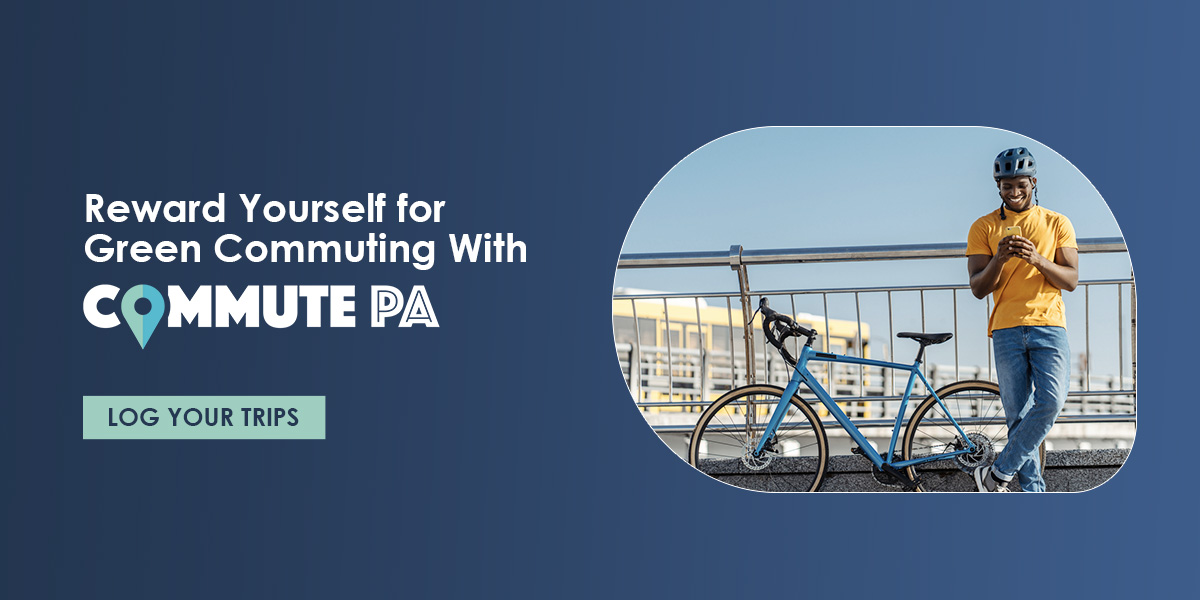
Reward Yourself for Smart Commuting With Commute PA

Reward Yourself for Smart Commuting with Commute PA

Whether you choose a commuter bike, road bike, mountain bike or e-bike, cycling to work is an excellent way to save money, improve your health and reduce traffic congestion in your area. Commute PA is a free service supporting smart commuting in Pennsylvania.

When you join Commute PA, you’ll earn points every time you record a cycling trip, starting with 1,000 points just for signing up. You can redeem these points for coupons and discounts from your favorite stores. We also offer free resources to support your healthier lifestyle — including our Beginner Bicyclist Packet, which guides you through everything you need to know to start cycling to work daily.

Request your free Beginner Bicyclist Packet today and enjoy smarter trips.

Skip to content